For many renters, the dream of owning a home feels distant not because of income but because of credit. Mortgage lenders rely heavily on credit scores to determine eligibility, interest rates, and loan terms. A low score can mean rejection or prohibitively expensive financing. In today’s housing market, where prices continue to rise, this barrier leaves countless families stuck renting with no clear path forward. Lease-to-own homes offer a creative solution, providing renters with time to repair their credit while already living in the home they plan to buy. This dual benefit—housing stability and financial preparation—makes lease-to-own a strategic tool for those determined to achieve ownership.
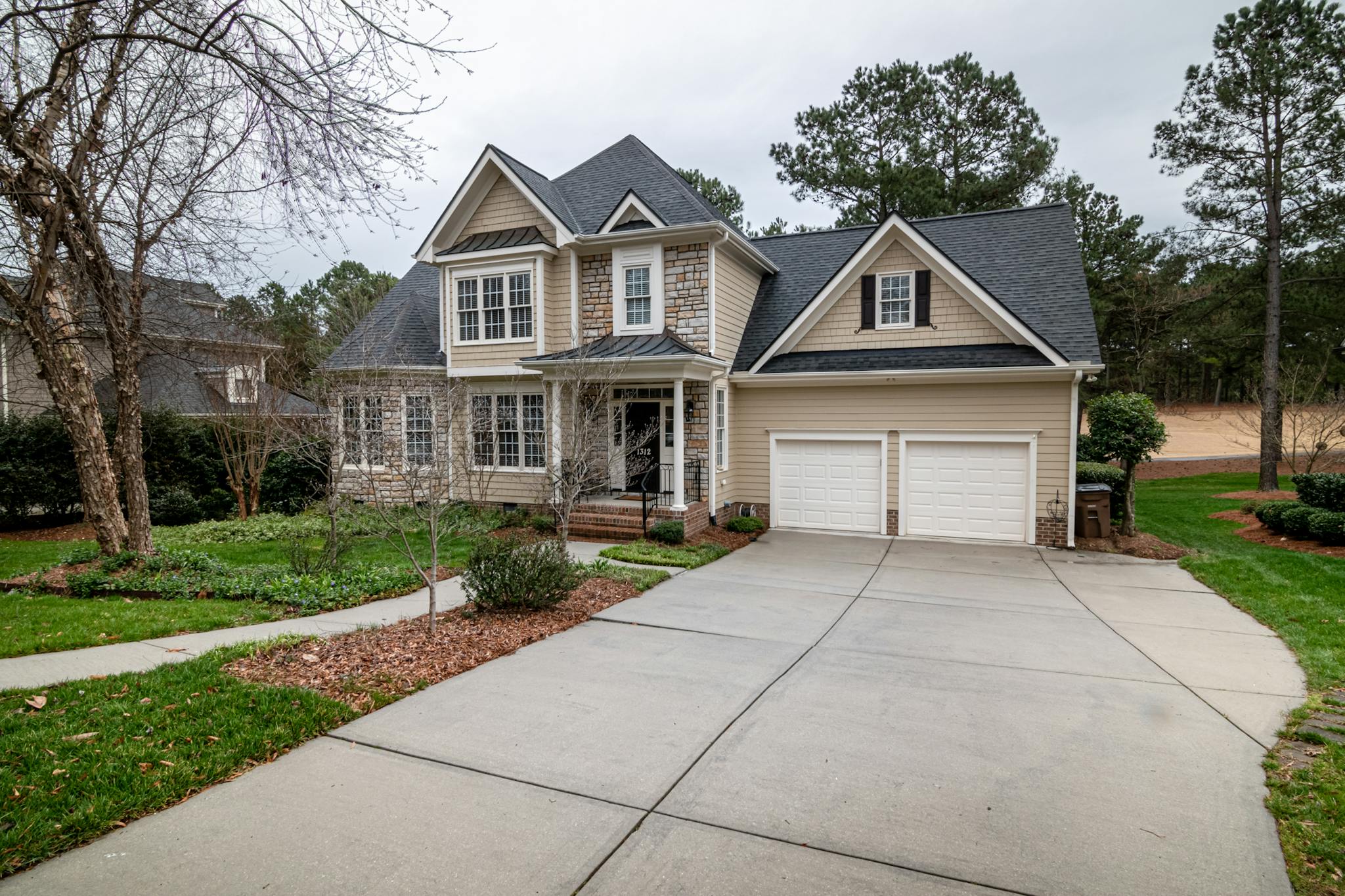
How Lease-to-Own Agreements Work
Lease-to-own agreements begin like traditional rental contracts but include a purchase option. Tenants pay monthly rent, and a portion of those payments may be credited toward the eventual purchase price. An upfront option fee secures the right to buy the home at a predetermined price within a set timeframe. This structure allows renters to move into a home immediately, enjoy the benefits of stability, and prepare financially for ownership.
The key difference lies in the timeline. Instead of needing perfect credit and a down payment upfront, tenants gain several years to strengthen their financial profile. By the time the purchase option comes due, they are often in a far better position to secure favorable mortgage terms.
The Breathing Room to Repair Credit
Credit repair is not an overnight process. It requires consistent effort, patience, and time—resources that lease-to-own agreements provide. During the lease period, tenants can focus on paying down debt, reducing credit utilization, and building positive payment history. Each month of on-time rent payments demonstrates financial responsibility, which can improve credit scores over time.
This breathing room is invaluable. Instead of rushing into a mortgage with poor credit and facing high interest rates, tenants can take deliberate steps to strengthen their financial standing. Lease-to-own transforms the waiting period into a productive journey, aligning housing stability with financial growth.
Practical Steps Renters Can Take
Tenants in lease-to-own agreements have a unique advantage: they know exactly when their purchase option will come due. This timeline allows them to plan strategically. Common steps include reviewing credit reports for errors, negotiating with creditors, and setting up automatic payments to avoid missed deadlines. Renters can also work with credit counselors to develop personalized strategies for improvement.
Because they are already living in the home they plan to buy, the motivation to succeed is stronger. Saving for a down payment feels more purposeful, and budgeting becomes easier when tied to a specific property. Lease-to-own agreements create a clear target, turning abstract financial goals into concrete steps toward ownership.
Case Study: From Credit Challenges to Mortgage Approval
Consider the story of a single parent who entered a lease-to-own agreement in 2023. At the time, their credit score was too low to qualify for a mortgage, and student loan debt weighed heavily on their finances. Over three years, they lived in the home, made consistent payments, and focused on repairing their credit. They paid down debt, disputed errors on their credit report, and built a positive payment history.
By 2026, their credit score had improved significantly, and they qualified for a mortgage with favorable terms. Because the purchase price had been locked in at the start of the lease, they also gained instant equity as the home’s market value rose. For this renter, lease-to-own wasn’t just a housing arrangement—it was a strategic path to financial recovery and ownership.
The Emotional Impact of Progress
Beyond the numbers, lease-to-own agreements provide an emotional benefit that traditional renting cannot match. Renters often feel stuck, watching money disappear each month with no progress toward ownership. Lease-to-own changes this narrative. Each payment feels like an investment, each credit improvement a step closer to the dream.
This sense of progress fosters motivation and confidence. Families feel more stable, children benefit from consistent schooling, and adults gain pride in knowing they are working toward a permanent home. The psychological shift from “just renting” to “renting with purpose” can be transformative, inspiring renters to stay disciplined and focused on their goals.
Addressing Risks and Misconceptions
Critics of lease-to-own often point to potential risks, such as losing the option fee if the purchase doesn’t go through or paying above-market rent. While these concerns are valid, they don’t negate the benefits. With clear contracts and professional guidance, lease-to-own agreements can be structured to protect tenants and maximize advantages. Transparency is essential: renters must understand the terms, timelines, and responsibilities before signing.
It’s also important to recognize that lease-to-own isn’t for everyone. Those who anticipate moving within a year or who prefer maximum flexibility may find traditional renting more suitable. However, for renters committed to ownership and willing to invest in credit repair, lease-to-own offers a structured pathway that renting simply cannot match.
Why Lease-to-Own Matters in Today’s Market
The housing market of 2026 is defined by high demand, limited supply, and rising costs. For many renters, the dream of ownership feels increasingly out of reach. Lease-to-own agreements offer a creative solution, blending the flexibility of renting with the stability of buying. The added benefit of time for credit repair makes this model particularly powerful.
Instead of being excluded from the market due to poor credit, renters gain a chance to prepare while already living in the home they plan to buy. This alignment of housing stability and financial growth is rare, making lease-to-own a smart strategy for navigating today’s challenges.
Lease-to-Own in Illinois
In states like Illinois, where housing demand continues to rise in cities such as Chicago, lease-to-own agreements are thriving. Renters searching for rent to own homes in IL often find the model appealing because it provides stability in competitive markets while offering time to repair credit. With home prices climbing steadily, locking in today’s price while preparing for tomorrow’s mortgage is a powerful advantage.
For families, young professionals, and retirees alike, lease-to-own offers a way to secure housing in desirable communities while building toward ownership. The combination of local demand and financial flexibility makes Illinois a hotspot for lease-to-own success stories.
Conclusion: A Strategic Path Forward
Lease-to-own homes are more than just a housing arrangement—they are a strategic tool for financial recovery and ownership. By providing time to repair credit, build equity, and prepare for mortgage approval, lease-to-own agreements transform renting into a purposeful journey. For renters who feel excluded from the traditional buying process, this model offers hope, stability, and progress.
In 2026, as housing challenges persist, lease-to-own stands out as one of the most promising solutions. For those committed to ownership, it provides not just a roof over their heads but a roadmap to financial health and stability. Whether in North Carolina or beyond, lease-to-own homes are proving that the path to ownership can be both achievable and strategic.