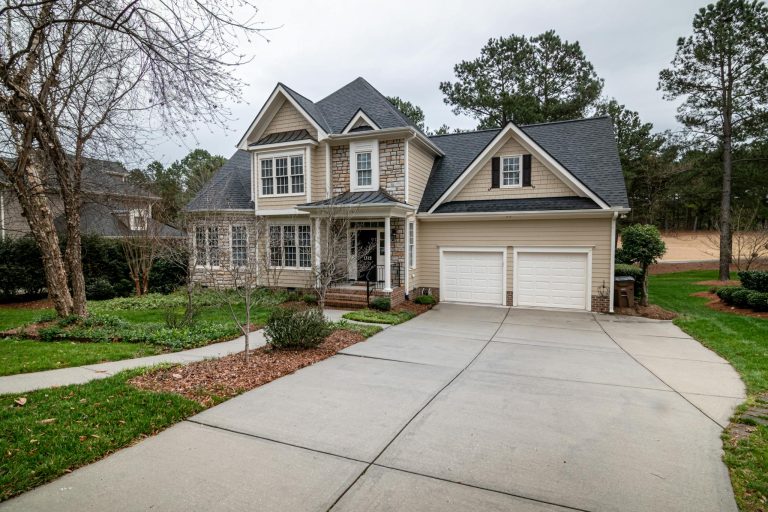
North Carolina has long been one of the most attractive states for families, professionals, and retirees seeking affordable housing and a high quality of life. From the bustling tech hub of Raleigh-Durham to the cultural richness of Charlotte and the coastal charm of Wilmington, the state offers diverse communities that appeal to a wide range of residents. Yet, like much of the country, North Carolina faces rising home prices and limited inventory. For many renters, the dream of ownership feels increasingly out of reach. Against this backdrop, lease-to-own homes have emerged as a powerful alternative, offering a bridge between renting and buying that resonates with the unique dynamics of the North Carolina housing market.

The Appeal of Lease-to-Own in Competitive Markets
In cities like Charlotte and Raleigh, demand for housing has surged as job opportunities attract new residents. This influx has driven up home prices, making traditional mortgages harder to secure for first-time buyers. Lease-to-own agreements provide a solution by allowing renters to lock in today’s price while giving them time to prepare financially. Instead of watching prices climb beyond their reach, tenants can secure a home now and work toward ownership over several years.
This model is particularly appealing in competitive markets where bidding wars and cash offers dominate. Lease-to-own bypasses the stress of competing in the open market, offering renters a clear path to ownership without the uncertainty of traditional buying.
Building Equity While Renting
One of the most frustrating aspects of renting is the sense of stagnation. Monthly payments provide shelter but no progress toward ownership. Lease-to-own flips this narrative by crediting a portion of rent toward the eventual purchase price. Over time, these credits accumulate, reducing the amount needed to finance the home when the purchase option comes due.
For renters in North Carolina, where average rents continue to rise, this benefit is especially significant. Instead of watching money disappear, tenants are investing in their future. Lease-to-own transforms renting from a passive expense into an active step toward stability and equity.
Testing Neighborhoods Before Committing
North Carolina’s diversity of communities means renters often face tough choices about where to settle. Should they choose the fast-paced energy of Charlotte, the academic atmosphere of Chapel Hill, or the coastal lifestyle of Wilmington? Lease-to-own agreements allow tenants to “test-drive” neighborhoods before committing long-term.
Living in a home during the lease period provides firsthand experience with local schools, traffic patterns, and community culture. If the neighborhood proves to be a perfect fit, tenants can confidently exercise their purchase option. If not, they can walk away at the end of the lease without the burden of selling a property. This flexibility makes lease-to-own particularly attractive in a state with such varied living environments.
Credit Repair and Financial Preparation
Many renters who aspire to own a home are held back by credit challenges. Lease-to-own agreements provide valuable time to repair credit while already living in the home they plan to buy. During the lease period, tenants can focus on paying down debt, building positive payment history, and working with financial advisors if needed.
By the time the purchase option comes due, they may qualify for better mortgage terms than they would have at the start. This built-in timeline transforms lease-to-own into a strategic tool for financial recovery, offering hope to those who might otherwise feel excluded from homeownership. For renters searching specifically for lease to own homes in North Carolina, this benefit is a major draw, as it aligns with the state’s growing population of young professionals and families working to strengthen their financial footing.
Real-Life Success Stories
Consider the story of a young couple in Raleigh who entered a lease-to-own agreement in 2023. At the time, their student loan debt and modest credit scores made securing a mortgage impossible. Over three years, they lived in the home, made consistent payments, and focused on improving their financial health. By 2026, not only had they qualified for a mortgage, but they also purchased the home at the locked-in price, which was significantly lower than the current market value. The result was instant equity and a sense of achievement that traditional renting could never provide.
Similar stories are unfolding across North Carolina, from Charlotte to Greensboro to Asheville. Lease-to-own agreements are helping renters transition into ownership, creating stability for families and strengthening communities in the process.
Why North Carolina Is a Hotspot for Lease-to-Own
Several factors make North Carolina uniquely suited for the growth of lease-to-own homes. First, the state’s population continues to expand, driven by job opportunities, affordable living compared to other regions, and a desirable climate. This growth fuels demand for housing, pushing prices upward and creating challenges for traditional buyers.
Second, North Carolina’s mix of urban and rural communities provides diverse opportunities for lease-to-own arrangements. In urban centers, renters use lease-to-own to secure homes in competitive markets. In smaller towns, the model offers a way to stabilize housing costs and build equity in areas where wages may lag behind rising prices.
Finally, the cultural emphasis on community and stability aligns perfectly with the benefits of lease-to-own. Residents value long-term roots, and lease-to-own agreements provide a structured path to achieving them.
Addressing Risks and Misconceptions
Critics of lease-to-own often point to potential risks, such as losing the option fee if the purchase doesn’t go through or paying above-market rent. While these concerns are valid, they don’t negate the benefits. With proper guidance and clear contracts, lease-to-own agreements can be structured to protect tenants and maximize advantages. Transparency is key: renters must understand the terms, timelines, and responsibilities before signing.
It’s also important to recognize that lease-to-own isn’t for everyone. Those who value maximum flexibility or anticipate moving within a year may find traditional renting more suitable. However, for renters who are serious about ownership, lease-to-own offers a structured pathway that renting simply cannot match.
Conclusion: A Path Worth Considering
Lease-to-own homes are thriving in North Carolina because they address the state’s unique housing challenges while offering renters a clear path to ownership. From locking in prices to building equity, testing neighborhoods, and repairing credit, the benefits are both financial and emotional. For families, professionals, and retirees alike, lease-to-own provides stability in a market defined by uncertainty.
As more people discover these advantages, lease-to-own will continue to grow in popularity, reshaping the housing landscape of North Carolina. For renters searching for lease to own homes in North Carolina, the opportunity is clear: this model isn’t just an alternative to renting—it’s a smarter, more strategic path to achieving the dream of homeownership.